The Business Case for Sustainability.
“Don’t just stand there, make it happen.”
-Lee Iacocca
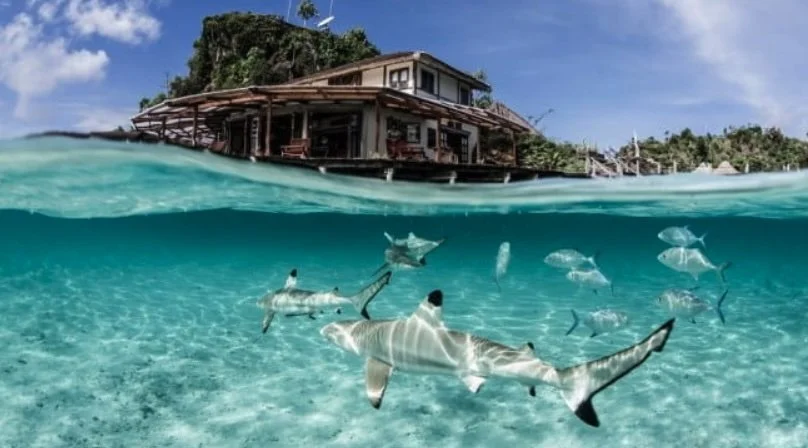
Misool Resort, Raja Amat
For many dive operators, “sustainability” still sounds like a nice extra—something you do for the planet when you have time and money. But if you work in dive tourism today, sustainability is no longer optional philanthropy. It is quickly becoming the difference between businesses that thrive and those that disappear.
This shift is not being driven by regulators or NGOs alone. It is being driven, above all, by your customers. And here are six factors that are now driving this change in the tourism industry.
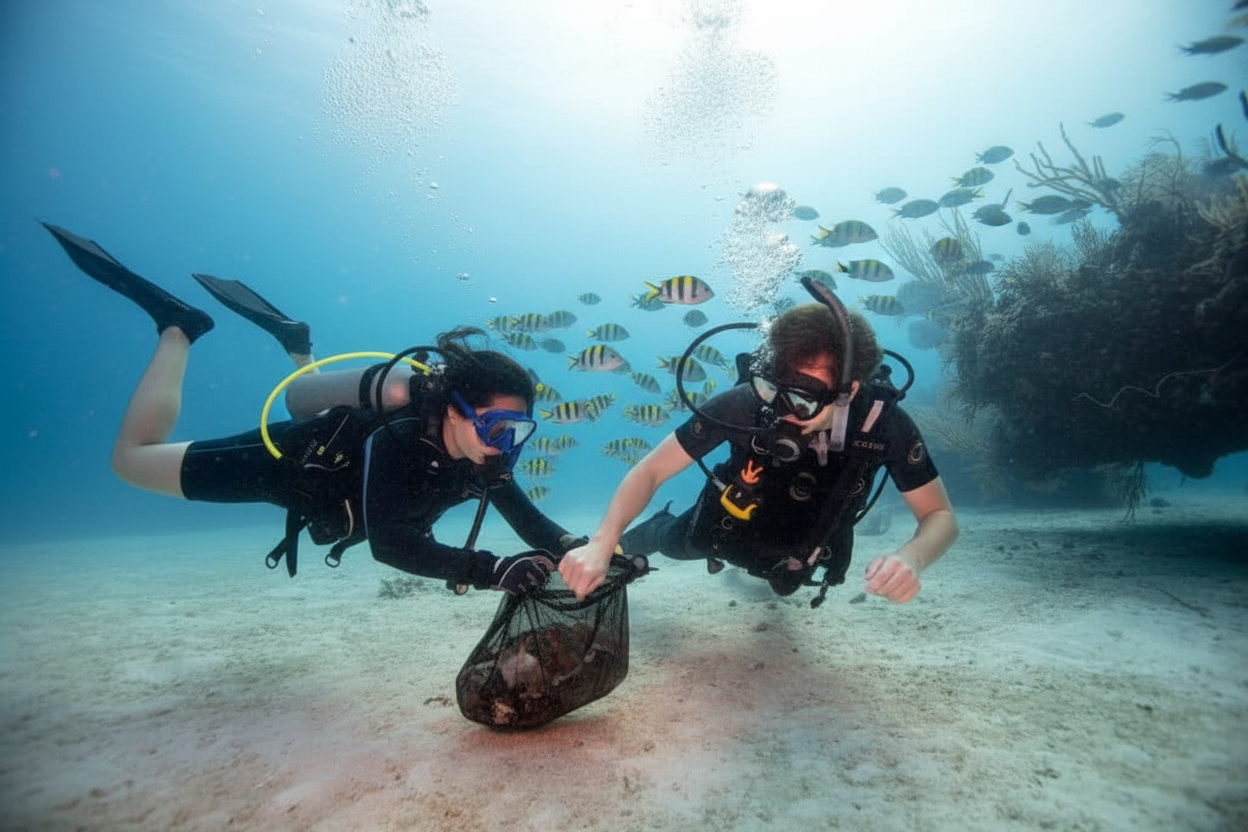
Divers themselves are sending an equally clear message. A 2022 global survey by The Reef‑World Foundation (over 2,400 divers worldwide) found that:
64% actively look for sustainable alternatives.
60% say sustainability is a main consideration in booking.
96% believe dive operators should be doing more to conserve reefs.
70% are willing to pay more for a sustainable option.
Yet 85% find it hard to tell whether an operator is truly sustainable.
In other words: the demand is there, the willingness to pay is there, and the frustration is there. The gap—and opportunity—is how clearly and credibly you respond.
1. The Market Has Changed – Your Customers Already Care.
Across the global economy, sustainability has moved from fringe concern to mainstream expectation:
An IBM Institute for Business Value study found that nearly 8 in 10 consumers say sustainability is important to their purchasing decisions, and over 70% of those who say it is “very” or “extremely” important are willing to pay an average premium of 35% for sustainable products and brands.
In Booking.com’s Sustainable Travel Report (2023), based on over 30,000 travelers in 32 countries:
71% plan to make more effort to travel more sustainably.
50% say climate change has influenced them to make more sustainable travel choices.
41% want to reduce their environmental impact, and 33% want more locally relevant, community‑benefiting experiences.
Competing research from Expedia shows the same pattern: around 90% of travelers say they look for sustainable options, and most will change transportation or lodging to reduce their footprint.
Adventure travelers—the segment that should be the core market for dive tourism—are even more committed. The Adventure Travel Trade Association reports that these travelers typically stay longer, spend more, donate more to conservation and community projects, and care deeply about the impact of their trip on nature and local people.
2. Sustainability is Not a Cost Center – It’s a Better Business Model
The wider business world has embraced what’s called the triple bottom line—often summarized as People, Planet, Profit. A sustainable business doesn’t ignore profit; it understands that long‑term profit depends on:
A healthy environment (reefs, seagrass, mangroves, beaches, water quality).
A stable, supportive local community (staff, suppliers, neighbors, regulators).
For a dive operation, these links are brutally direct:
Reef decline = product decline. When coral bleaching, algal overgrowth, or poor water quality degrade your sites, your core product loses value. No marketing campaign can fix a dead reef.
Community resentment = political and reputational risk. If locals see tourism as exploitative or one‑sided, you face opposition to expansion, rising conflict over access, and a steady drag on your brand.
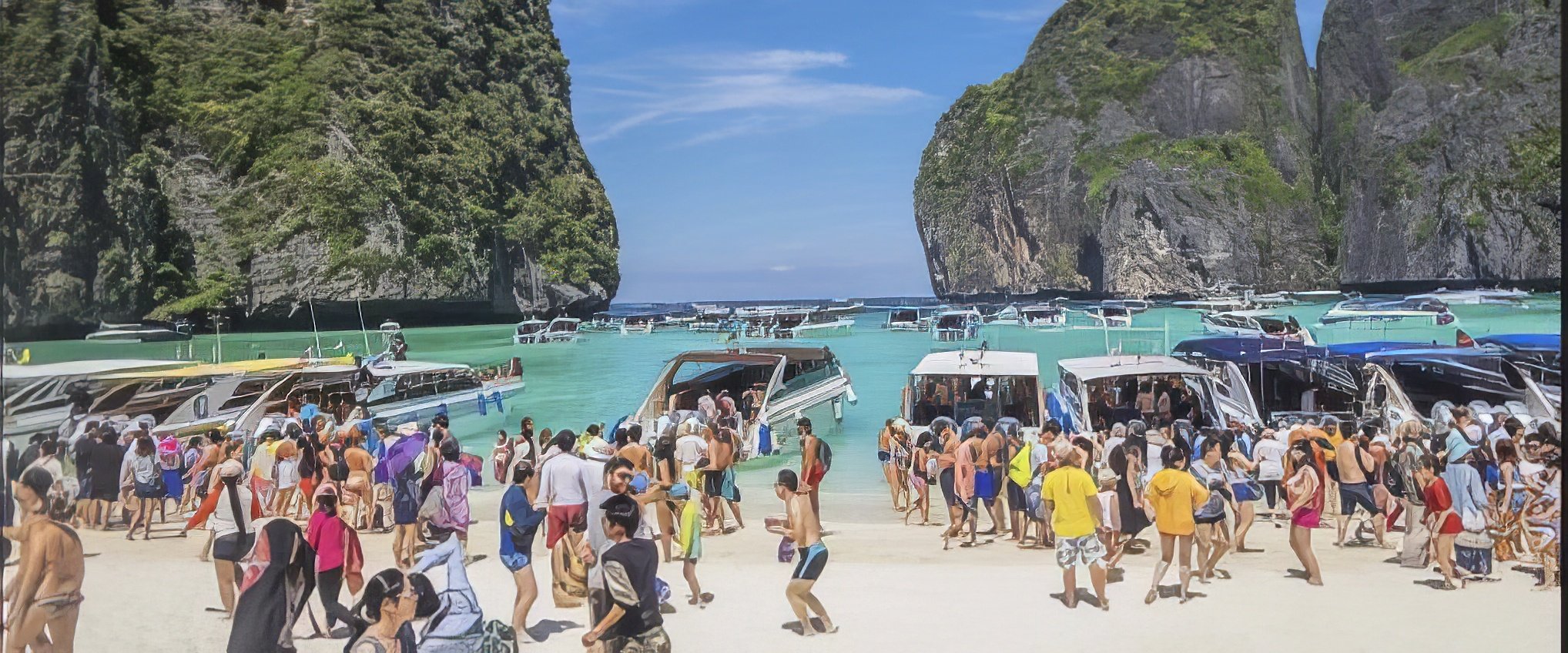
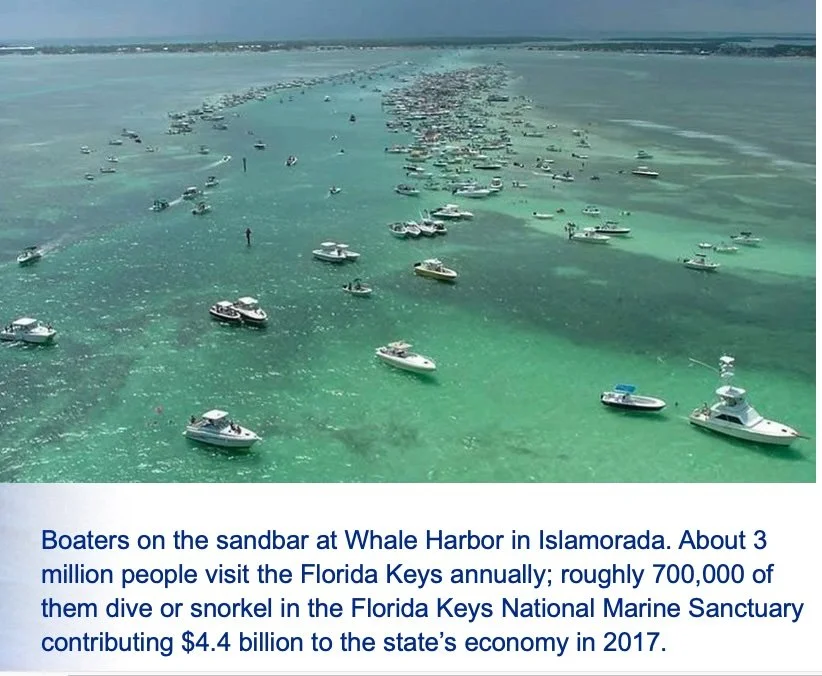
Overcrowding = lower guest satisfaction and reviews. Treating your operation as a linear “more heads in beds = more profit” model quickly hits a wall. Once you exceed your carrying capacity—boat, staff, reefs, infrastructure—the experience declines, reviews suffer, and price pressure rises.
Misool Resort, Raja Ampat
Anthony’s Key Resort, Roatan
For a dive resort, liveaboard, or coastal operator, a compelling why might be:
“We exist to create life‑changing ocean experiences that actively help protect reefs and support our local community.”
Everything—your training, briefings, partnerships, pricing, and marketing—then flows from that purpose.


3. From “Nice to Do” to Your Core “Why”
Marketing strategist Simon Sinek is famous for the idea that “People don’t buy what you do; they buy why you do it.”For a dive business, your what is simple: you run boats, guide dives, run courses. But your why—the reason the right customers choose you and stay loyal—is where sustainability becomes central.
Today’s adventure travelers and younger generations (Millennials, Gen Z, and now Gen Alpha) are explicitly values‑driven. They prefer to do business with organizations that:
Stand for something beyond profit.
Demonstrate clear, consistent environmental and social values.
Involve them in meaningful experiences—learning, contribution, and impact.
Global brands like Patagonia, Apple, and others have proved that values‑based business can grow faster and command premium pricing. In our sector, dive operators that lead on sustainability are doing the same: they attract guests who come back, tell their friends, and advocate for them online.
4. The Five Steps to Success
You don’t need a huge budget to start. Operators that are succeeding generally follow a staged path:
Awareness and Commitment (Top‑Down)
Management makes sustainability central to the business—not a side project.
You articulate your why and share it consistently with staff and guests.
“Low‑Hanging Fruit” – Quick Wins
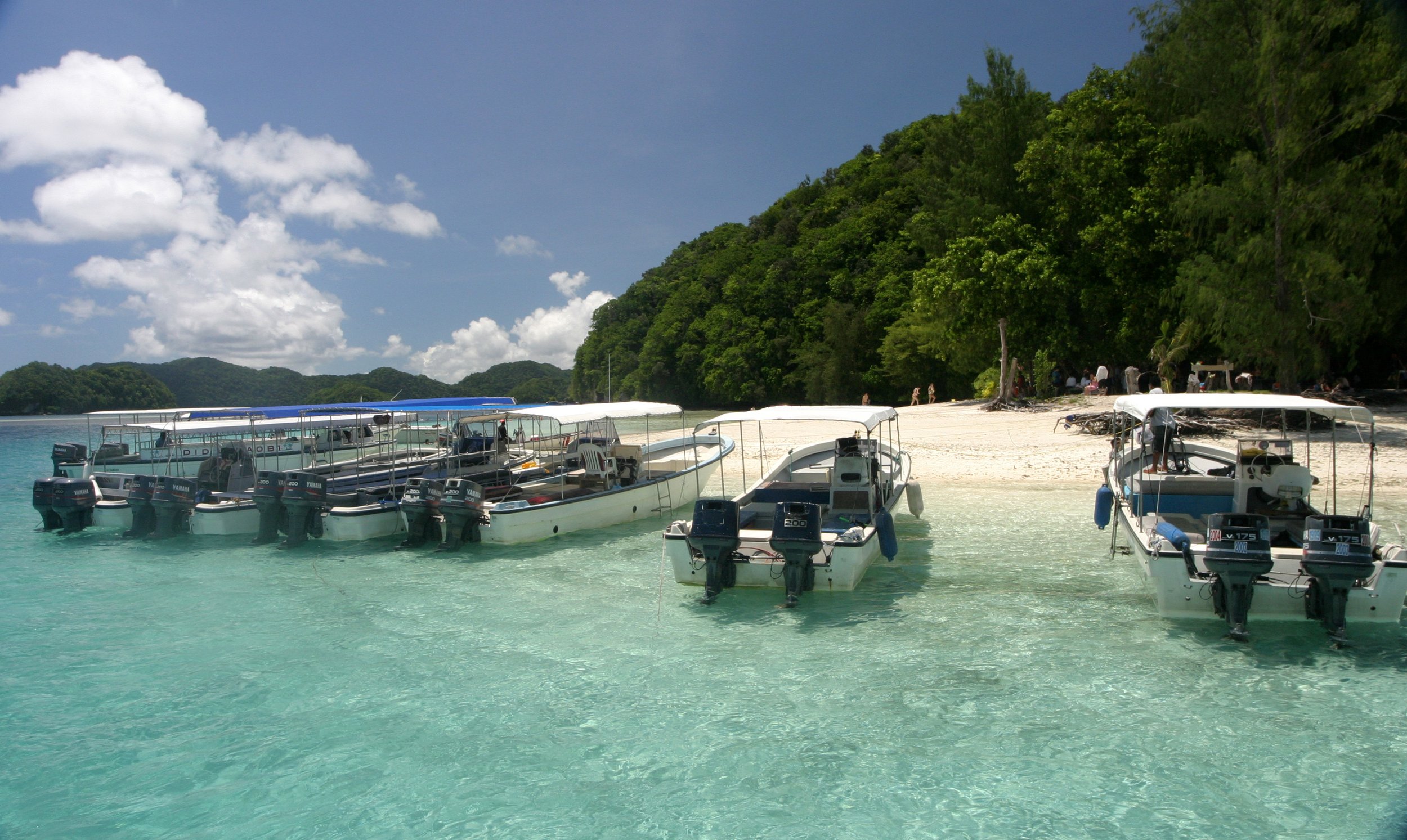
Eliminate or drastically reduce single‑use plastics.
Offer (and promote) reef‑safe sunscreen and refillable water systems.
Integrate clear environmental briefings into every dive and tour.
Invite guests to bring back any marine debris they encounter.
Deeper Integration and Investment
Choose suppliers based on environmental and social criteria.
Improve fuel, water, and energy efficiency (which cuts costs over time).
Support or participate in coral restoration, seagrass, or mangrove projects.
Partner with credible programs like Green Fins to benchmark and improve practices.
Partnerships and Reputation
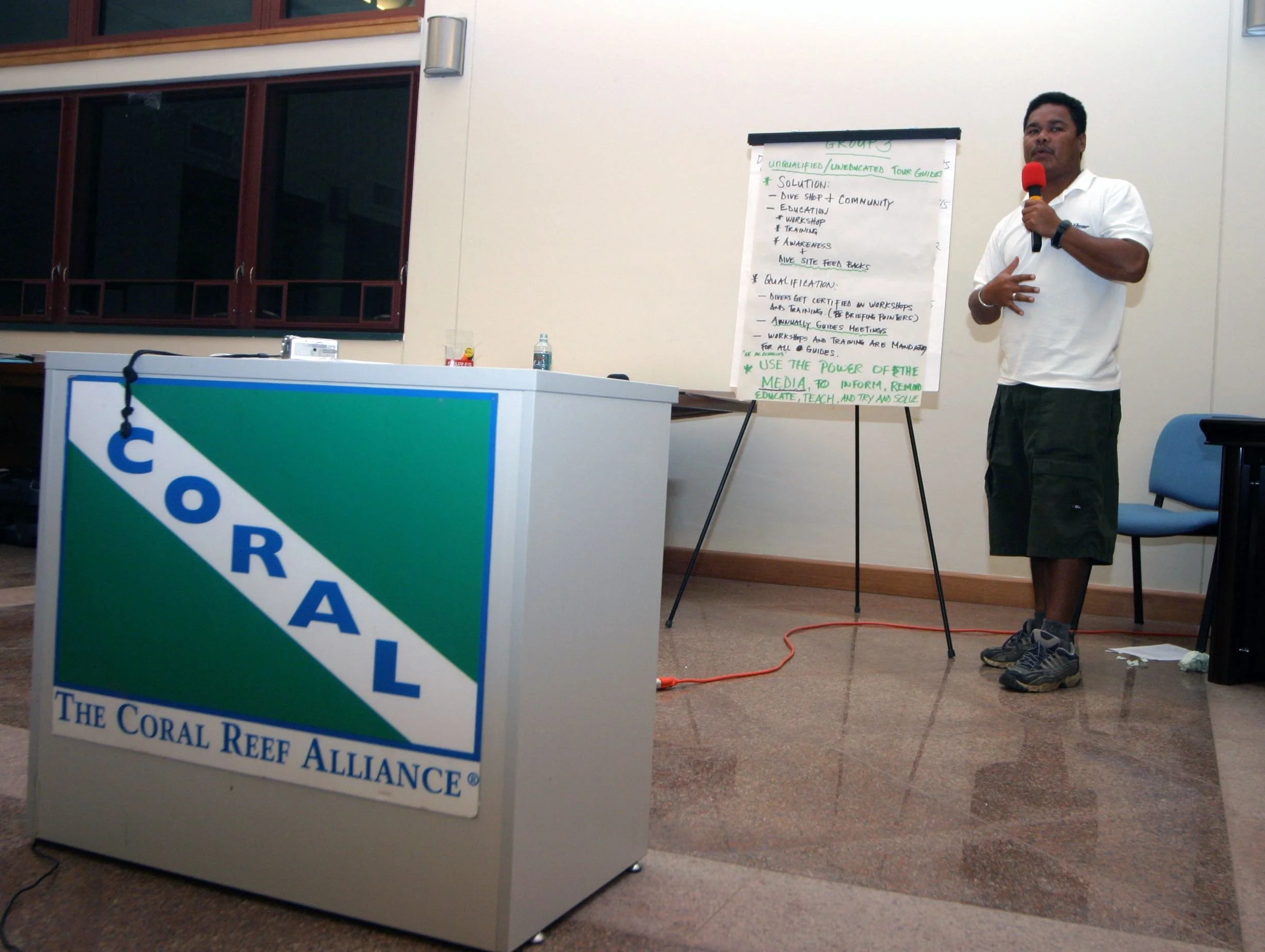
Work directly with local NGOs, MPA managers, and community groups.
Offer citizen‑science or regenerative activities—where guests help restore reefs or support local projects.
Train and hire staff who genuinely share your environmental values.
5. Leadership and Market Differentiation
Be transparent: publish your sustainability commitments and progress.
Use your website and social channels to show, not just tell, what you’re doing.
Highlight third‑party certifications or partnerships (e.g., Green Fins, B Corp‑style programs, local conservation initiatives).
By Stage 4–5, operators typically find that:
They attract guests who are willing to pay more for meaningful, low‑impact experiences.
They receive better reviews and more organic marketing through word‑of‑mouth and social media.
They are consulted by government and NGO partners rather than surprised by new rules.
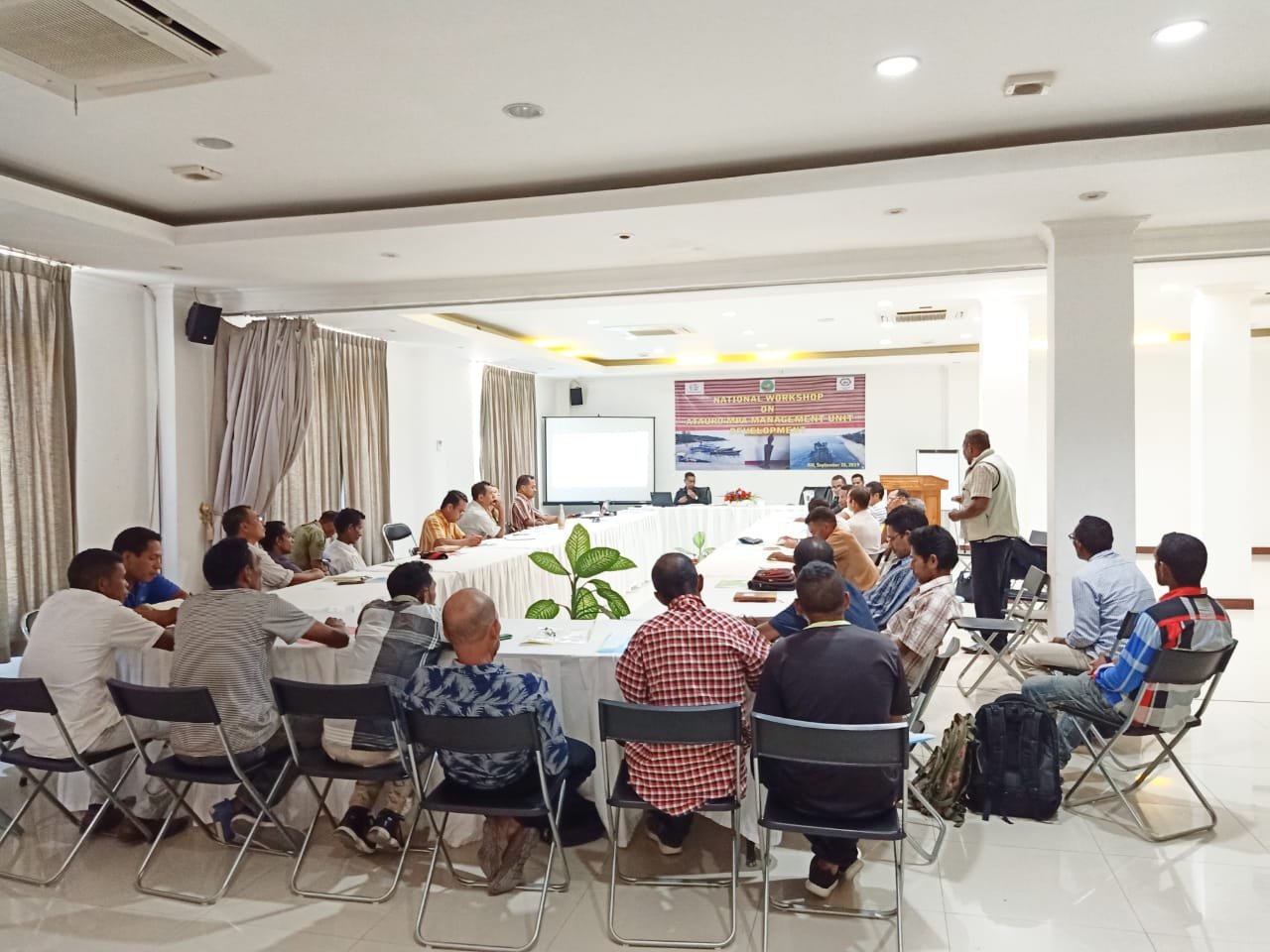
5. Why This Matters for Governments and NGOs
For tourism officials and NGOs, promoting sustainable (and ultimately regenerative) dive tourism is not just about protection—it is economic strategy.
Coastal and marine tourism already represent one of the largest, fastest-growing components of global tourism and are projected to be a leading sector of the “blue economy.”
Adventure tourists and divers spend more, stay longer, and show higher willingness to support conservation and local communities than mass tourists.
Well-managed, sustainable destinations avoid the “boom-and-bust” cycle of over‑tourism and decline, protecting tax revenues and local livelihoods over the long term.
Supporting dive operators to adopt sustainability best practices—through policy frameworks, incentives, training, and recognition—therefore protects both reefs and revenues.
6. Doing Well by Doing Good
The ultimate business case for sustainability in dive tourism is straightforward:
Your product is a healthy, inspiring ocean and coastal environment.
Your customers increasingly demand sustainability, authenticity, and impact.
Your future profitability depends on how well you align your business with those realities.
Sustainability is not an add‑on. It is, and must be, your strategic foundation—your “why.” When you place People and Planet alongside Profit at the center of your operation, you are not just doing the right thing for the Earth; you are building a more resilient, competitive, and valuable business in the evolving adventure tourism marketplace.
At Ocean Education International, our mission is to help dive professionals, destination managers, and NGOs make that shift—from seeing sustainability as a cost, to recognizing it as the core of long‑term success. The ultimate business case for sustainability in dive tourism is straightforward:
Your product is a healthy, inspiring ocean and coastal environment.
Your customers increasingly demand sustainability, authenticity, and impact.
Your future profitability depends on how well you align your business with those realities.
Sustainability is not an add‑on. It is, and must be, your strategic foundation—your “why.” When you place People and Planet alongside Profit at the center of your operation, you are not just doing the right thing for the Earth; you are building a more resilient, competitive, and valuable business in the evolving adventure tourism marketplace.
At Ocean Education International, our mission is to help dive professionals, destination managers, and NGOs make that shift—from seeing sustainability as a cost, to recognizing it as the core of long‑term success.
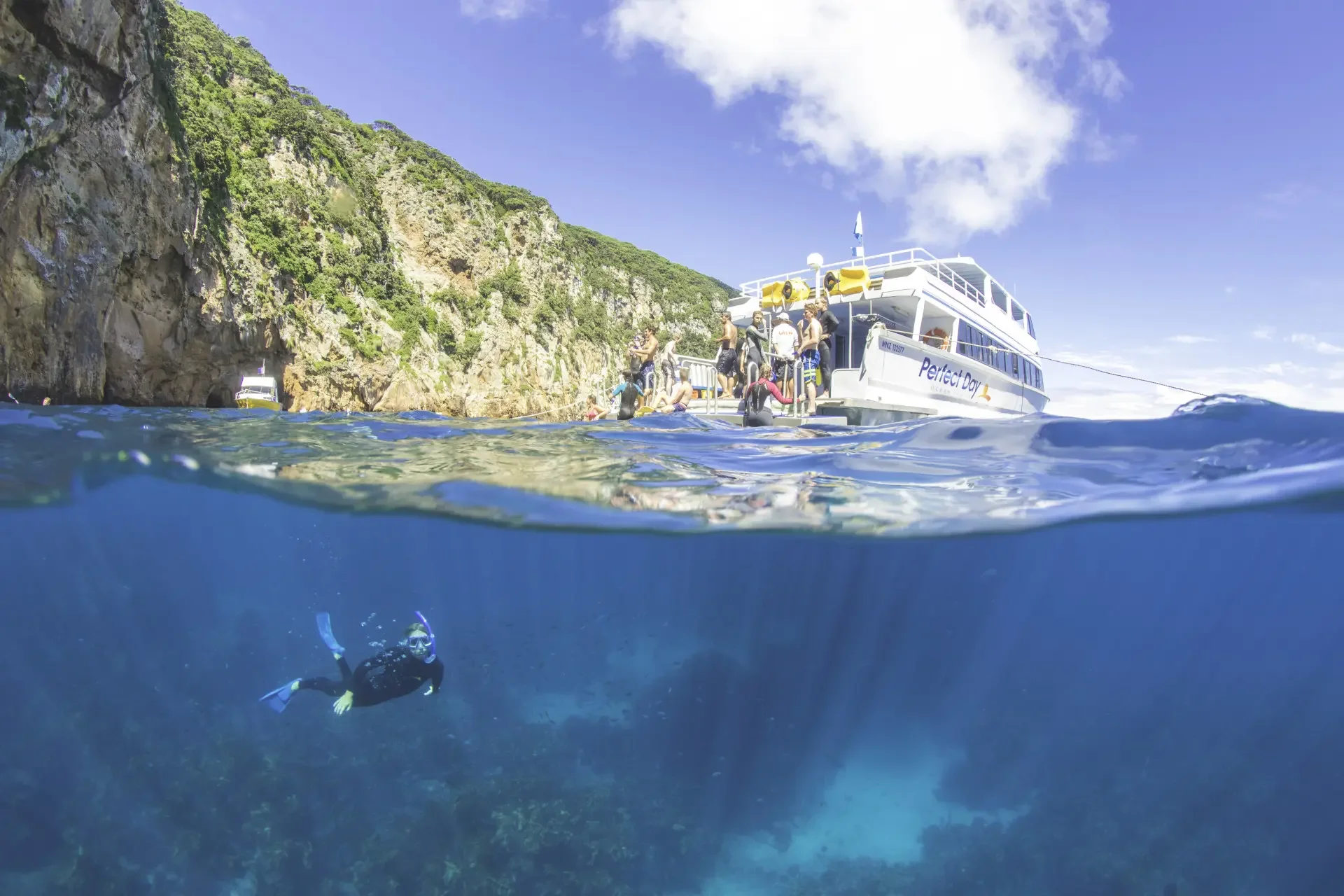
Dive Tutukaka
References
1. IBM – Meet the 2020 Consumers Driving Change
Core evidence that nearly 8 in 10 consumers say sustainability is important, and that those who rate it “very/extremely important” will pay ~35% more for sustainable brands.
Meet the 2020 consumers driving change – IBM Institute for Business Value (PDF download)
2. IBM / NRF – Purpose and Provenance Drive Bigger Profits for Consumer Goods (Press Release)
Summarizes the same research, emphasizing that purpose‑driven shoppers pay a 35% premium and are willing to change habits to reduce environmental impact.
IBM Study: Purpose and Provenance Drive Bigger Profits for Consumer Goods in 2020
3. Booking.com – Sustainable Travel Report 2023
Key source for tourism‑specific statistics: proportion of travelers intending to travel more sustainably, wanting to reduce their impact, support local communities, and leave destinations better than they found them.
Booking.com Sustainable Travel Report 2023
4. Expedia Group – Sustainable Travel Study / “Sustainable Travel Landscape”
Supports claims that around 90% of travelers look for sustainable options and many change transport/lodging choices to be more eco‑friendly.
Expedia Group – Sustainable Travel Study (Sustainable Travel Landscape)
5. Adventure Travel Trade Association (ATTA) & IFC/World Bank – Shaping the Future of Adventure and Cultural Travel
Provides adventure‑tourism market size, spending levels, and evidence that adventure travelers spend more, stay longer, and are more conservation‑oriented.
Shaping the Future of Adventure and Cultural Travel (ATTA & IFC)
6. The Reef‑World Foundation – Sustainability in a Recovering Travel World (Green Fins Diver Survey)
Direct evidence on divers’ attitudes: proportions who seek sustainable alternatives, consider sustainability in bookings, are willing to pay more, and struggle to identify truly sustainable operators.
Sustainability in a Recovering Travel World – Global Scoping Survey of Divers
7. Green Fins – Global Environmental Standards and Membership Programme
Shows that there is an internationally recognized, UN‑backed standard for sustainable diving and snorkeling operations, supporting the idea that sustainability is becoming expected “best practice.”
Green Fins – Sustainable Diving and Snorkeling
8. World Economic Forum – Nature Risk Rising: Why the Crisis Engulfing Nature Matters for Business and the Economy
Underpins the argument that a large share of global GDP (including tourism) depends on nature, and that degrading ecosystems is a material business risk.
Nature Risk Rising – World Economic Forum
9. WTTC – Nature Positive Travel & Tourism
Supports claims that the travel & tourism sector is embracing “nature positive” and regenerative approaches, while still growing economically.
World Travel & Tourism Council – Nature Positive Travel & Tourism
10. UN Environment Programme / Global Sustainable Tourism Council (GSTC)
Provides widely recognized criteria and frameworks for sustainable tourism, supporting the triple bottom line (People–Planet–Profit) as an accepted model for tourism businesses and destinations.
Global Sustainable Tourism Council – GSTC Criteria